

SGRT for Clearance Mapping
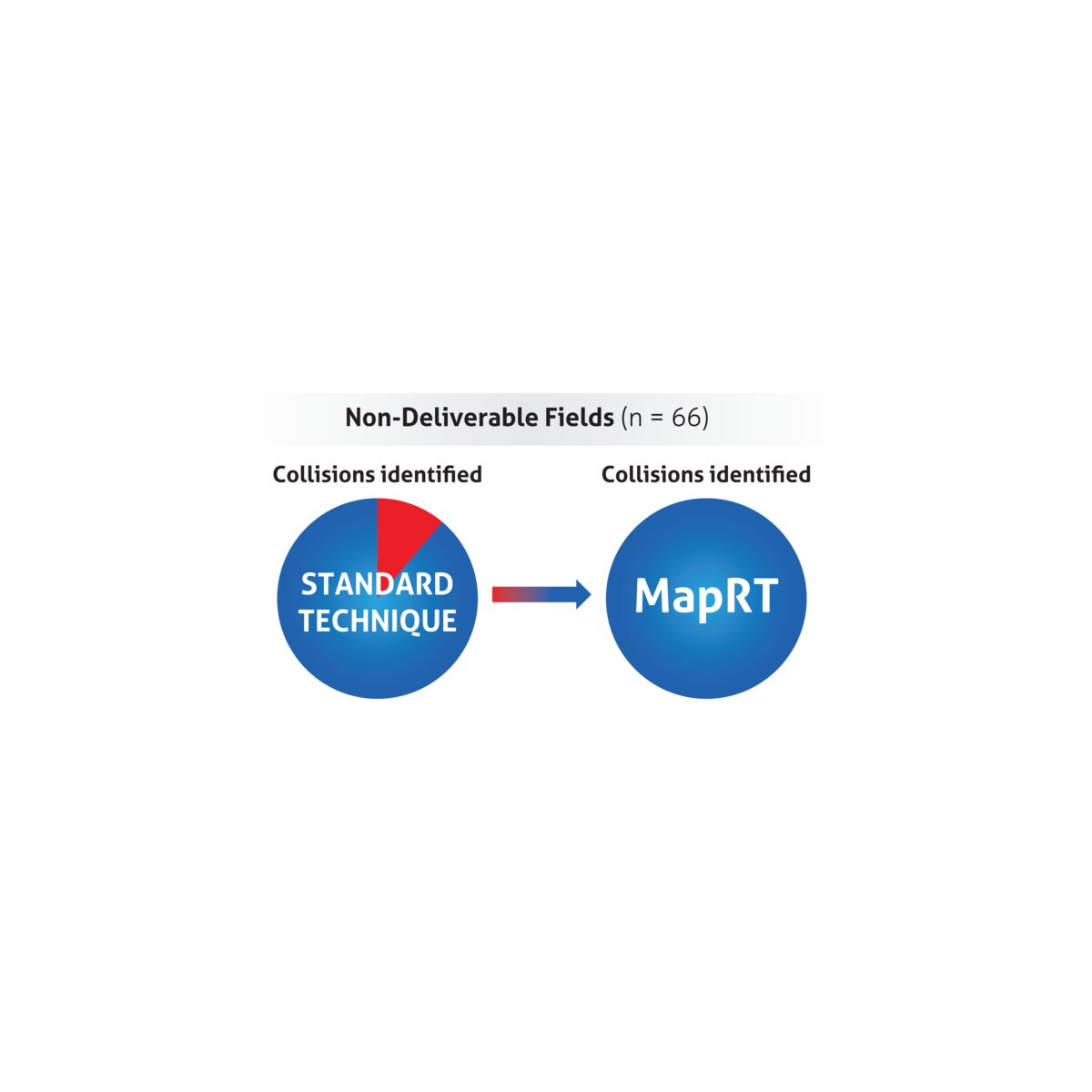
Recent studies indicate that non-coplanar treatments can provide clinically relevant improvements in treatment plans, especially in lung, breast, head and neck cancers, and lymphomas. Traditionally, non-coplanar treatments require additional planning and machine time for both trials and treatments. Additionally, some non-coplanar plans are not feasible, which can result in complex replanning and additional quality assurance work, leading to delays in patient treatment and higher costs.
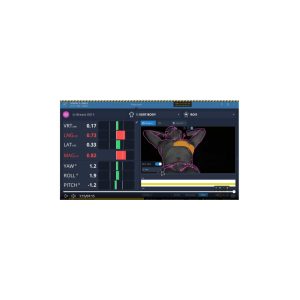
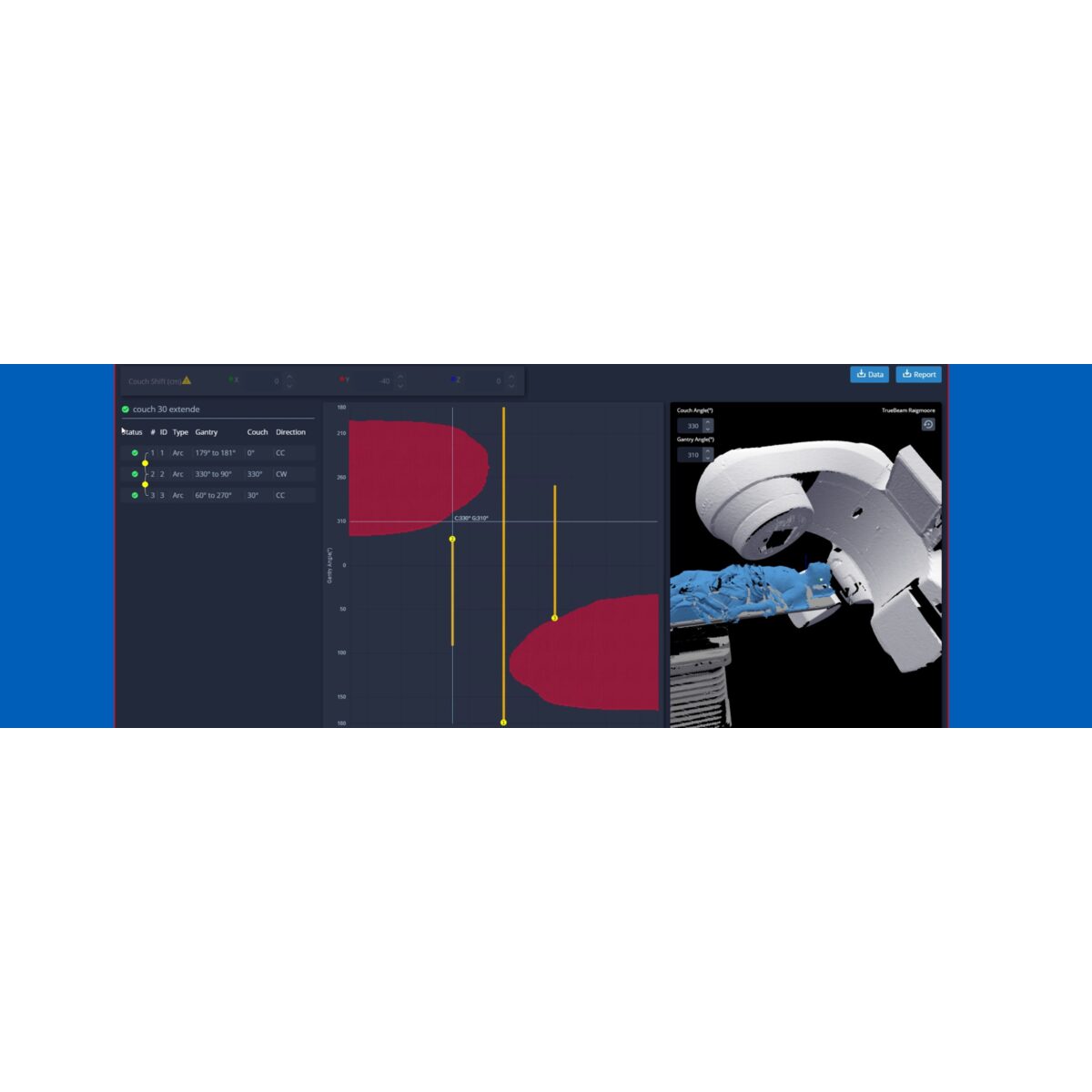
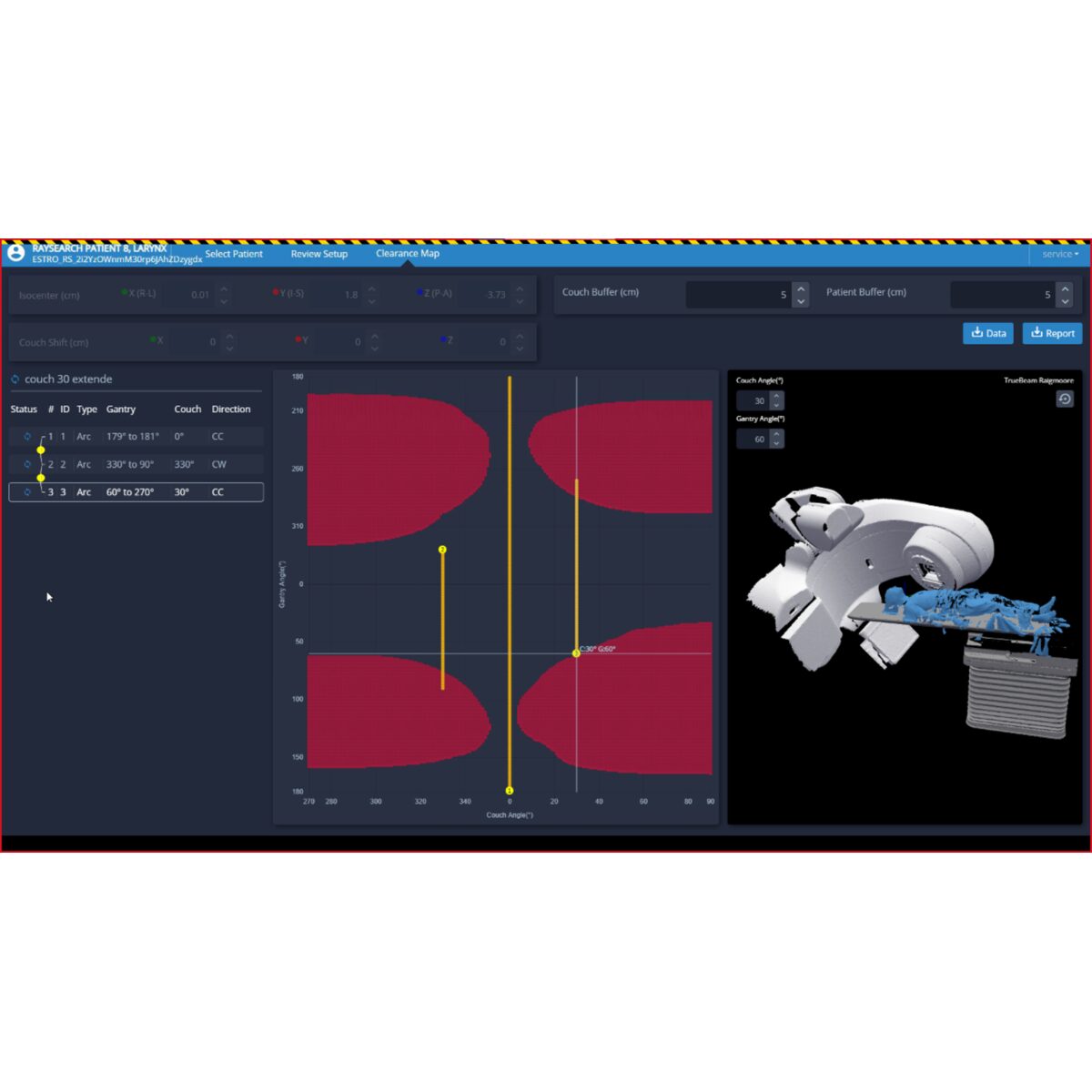
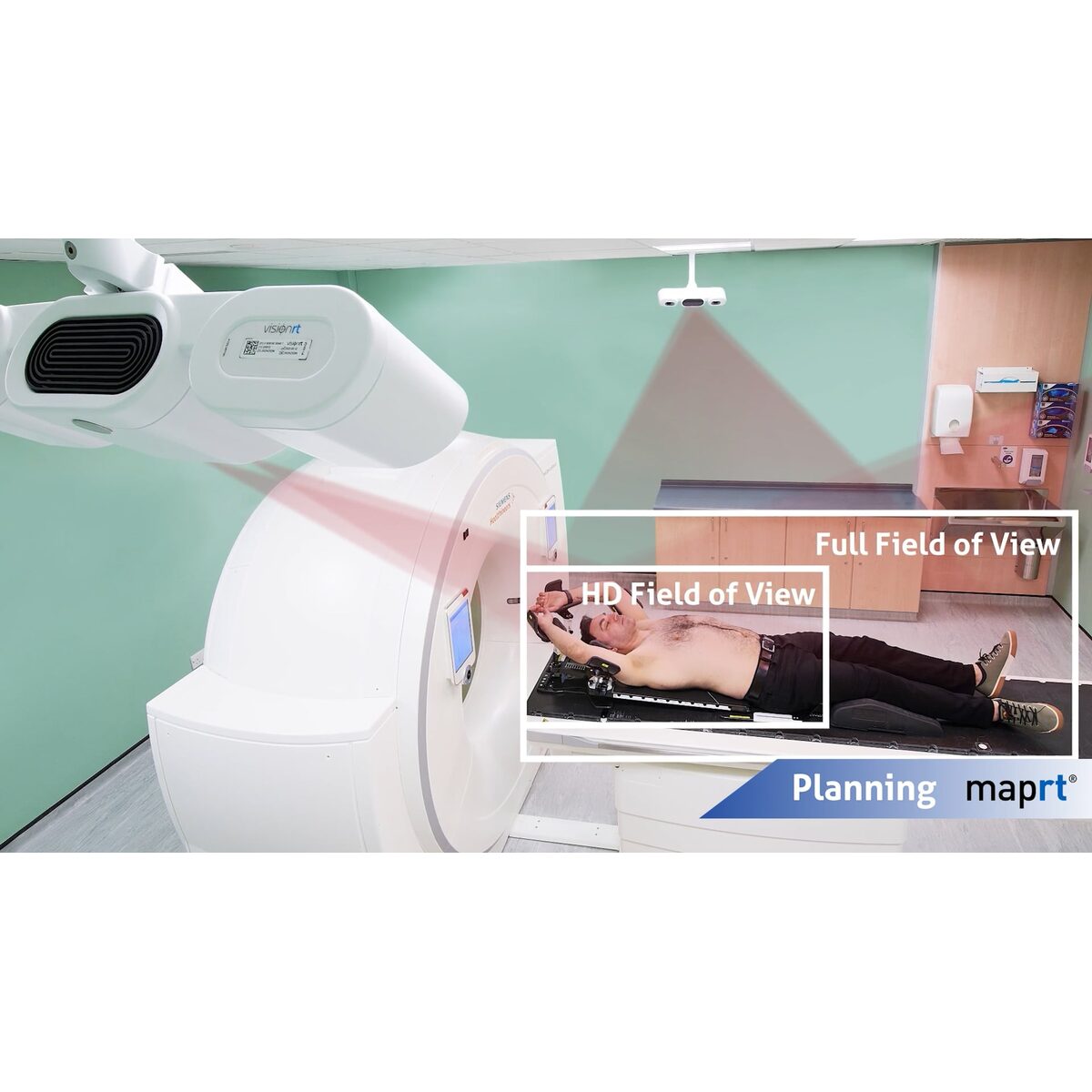
MapRT aims to make non-coplanar treatments quick, easy and safe. It uses SGRT to generate a “clearance map,” which planners use to check which beams are feasible during plan creation.
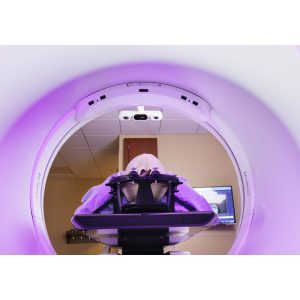
MapRT captures images of the entire surface of the patient and accessories to detect collisions in the most problematic areas, such as elbows. Additionally, the clearance map checks safety for all sofa and gallium angles, providing guidance to increase sofa slopes and extend arches – for better plans with confidence in delivery.