


Dose calibrators for nuclear medicine
A dose calibrator should be chosen around the real nuclear medicine workflow: daily dose measurement, PET requirements, hot-lab layout, QC routines, records and the way the team moves between preparation and verification.
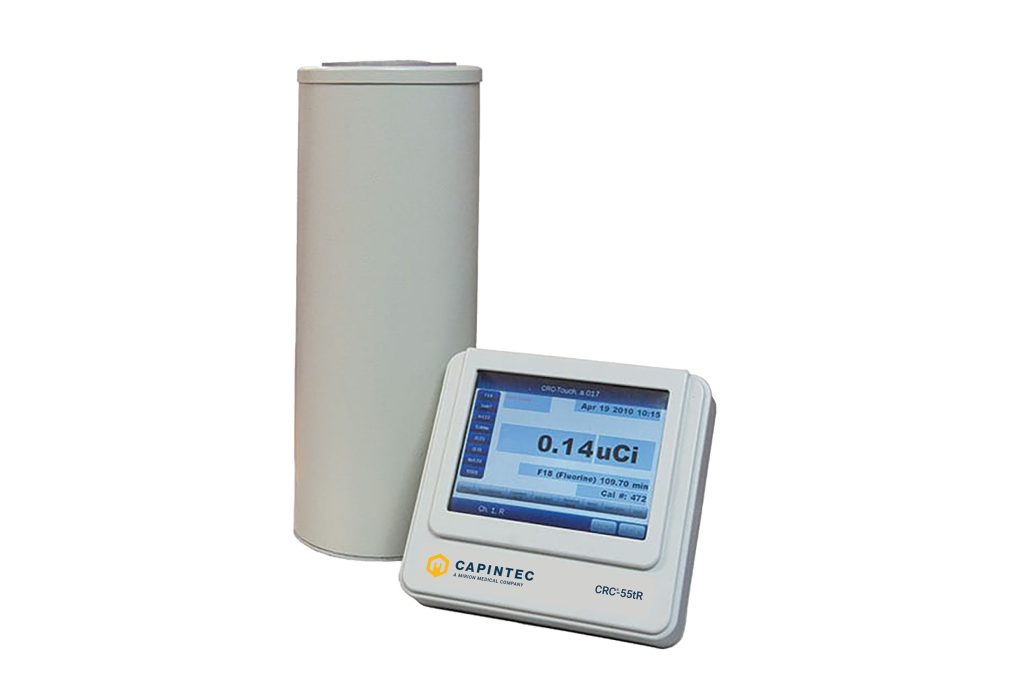
Start with the workflow, not the model name
The useful question is not which calibrator looks strongest on paper. The useful question is what the service needs to measure, where the chamber sits, how many operators use it, what evidence must be kept and whether PET or higher-activity work changes the specification.
Routine dose preparation
For daily radiopharmacy and nuclear medicine use, the requirement usually starts with reliable activity measurement, repeatable operation and straightforward QC.
PET and higher activity
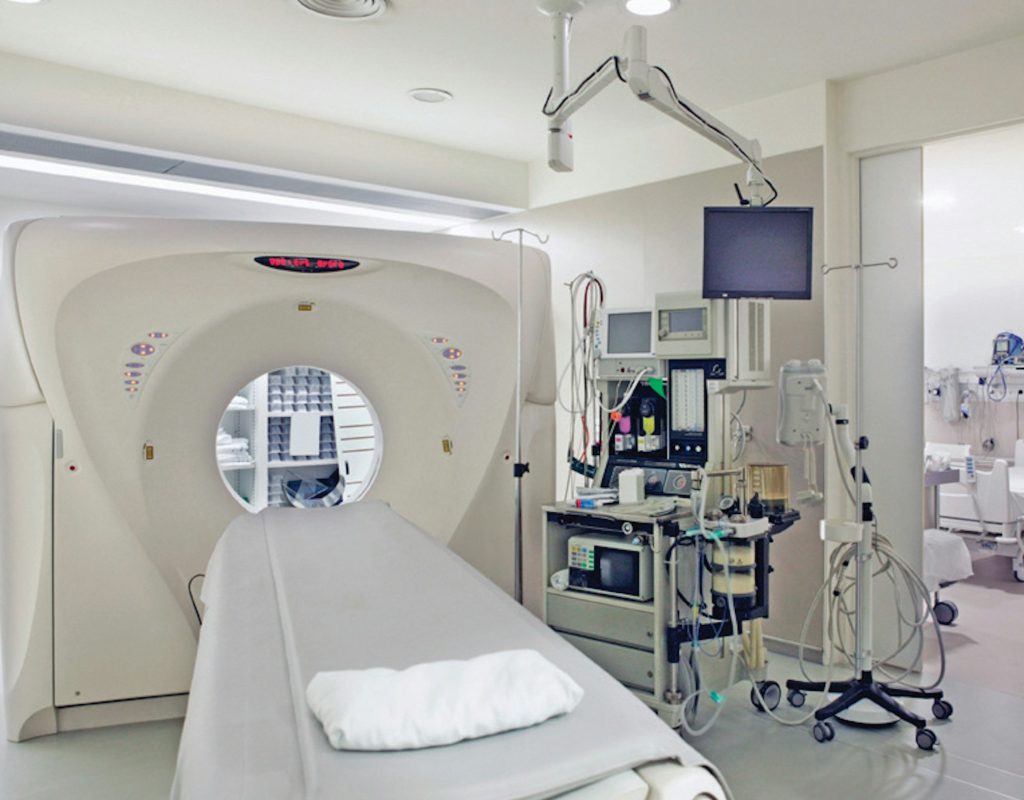
PET workflows can push the requirement toward configurations designed for PET isotopes, higher activity ranges and the shielding context around the measurement point.

Hot-lab integration
A calibrator is part of the hot-lab setup. Chamber placement, shielding, bench space, printers and data connections can matter as much as the display.
QC and documentation
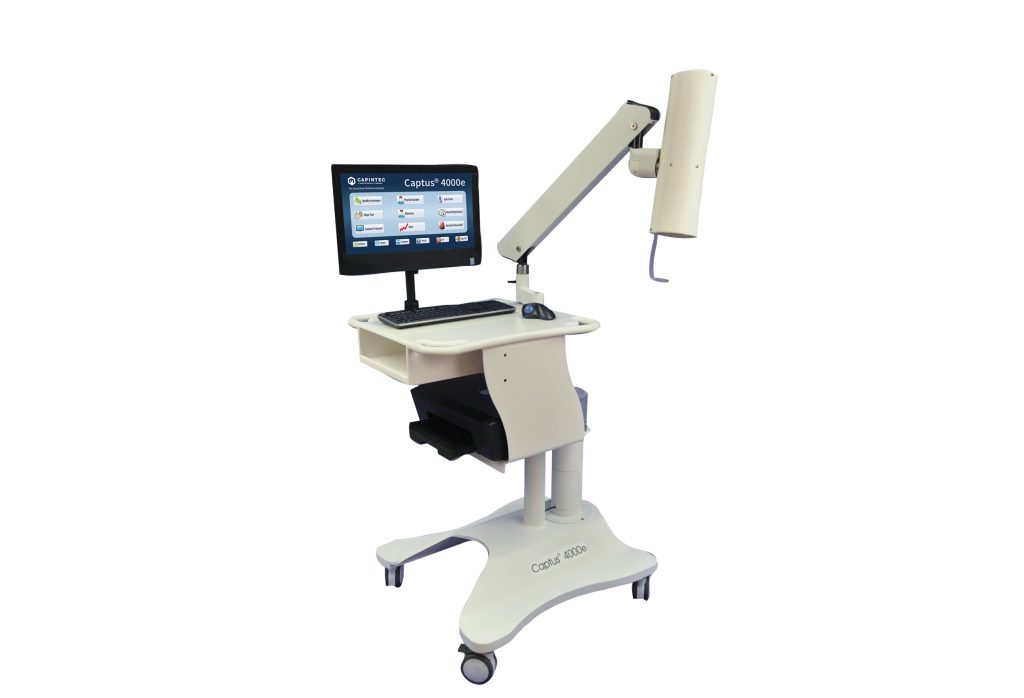
Built-in QC, self-diagnostics, records, labels and procedure discipline affect how easily the team keeps the workflow consistent over time.
Relevant Capintec routes to discuss
CRC-55tR type routine route
A practical route for routine dose measurement and preparation, with a touch-screen workflow, QC functions and chamber options described in the public Mirion material.
CRC-55tPET type PET route
A route to consider when PET isotope measurement is a central part of the use case and the service needs the configuration to reflect that workload.
CRC-55tW type well-counter route
A route when dose-calibrator work should sit alongside wipe testing, well-counting functions or complementary low-activity measurement.
CRC-77tHR type high-activity route
A route for production or higher-activity measurement contexts where repeatable measurement and integration with a more demanding environment are central.
Questions to settle before requesting a quote
How to compare options
Measurement context
Compare the chamber and system against the actual activity range, isotope mix and placement in the hot lab.
Operational speed
Touch-screen operation, preset nuclides, printer options and data flow can reduce friction in repetitive work.
Expansion path
Think about PET, well-counting, extra chambers, shielding and documentation before locking the configuration.
Source basis: existing Interphysix Portuguese page and official Mirion/Capintec public pages for CRC-55tR, CRC-55tW, CRC-55tPET and CRC-77tHR dose-calibrator families.
Need to specify a dose-calibrator setup?
Send the isotope mix, workflow, room context and documentation needs. Interphysix can help turn that into a clear, reviewable equipment requirement.
Última actualização: 22/06/2026